We Take Medicaid/Medicare
Dentures vs. Implants: Which Actually Preserves Your Jawbone Long-Term

If you’ve lost one or more teeth, you’ve likely heard two main options: dentures or dental implants. The choice feels overwhelming — and it matters more than most people realize. When comparing dentures vs. implants and which actually preserves your jawbone long-term in Richmond, there’s a clear winner. Understanding the difference can protect your facial structure, your comfort, and your quality of life for decades to come.
At Dr. C. Advance Dental Care And Implant Center, Dr. Naveen Chennupati helps Richmond patients make informed, confident decisions about tooth replacement. This article gives you an honest, side-by-side comparison of both options — so you can choose what’s right for your unique situation.
Why Jawbone Preservation Matters After Tooth Loss
Most people focus on how replacement teeth look and feel. Far fewer consider what happens beneath the gumline. When a natural tooth root is gone, the surrounding jawbone loses stimulation. Without stimulation, the bone begins to shrink — a process called bone resorption.
Bone resorption happens faster than most patients expect. Research shows you can lose up to 25% of jaw width within the first year after extraction. Over several years, this bone loss reshapes your entire lower face. Cheeks can appear sunken, and the jaw can look smaller and older.
This is why the dentures vs. implants conversation always comes back to one critical question: which option actually stimulates the jawbone the way a natural tooth root does?
Dentures: Comfort, Cost, and the Bone Loss Problem
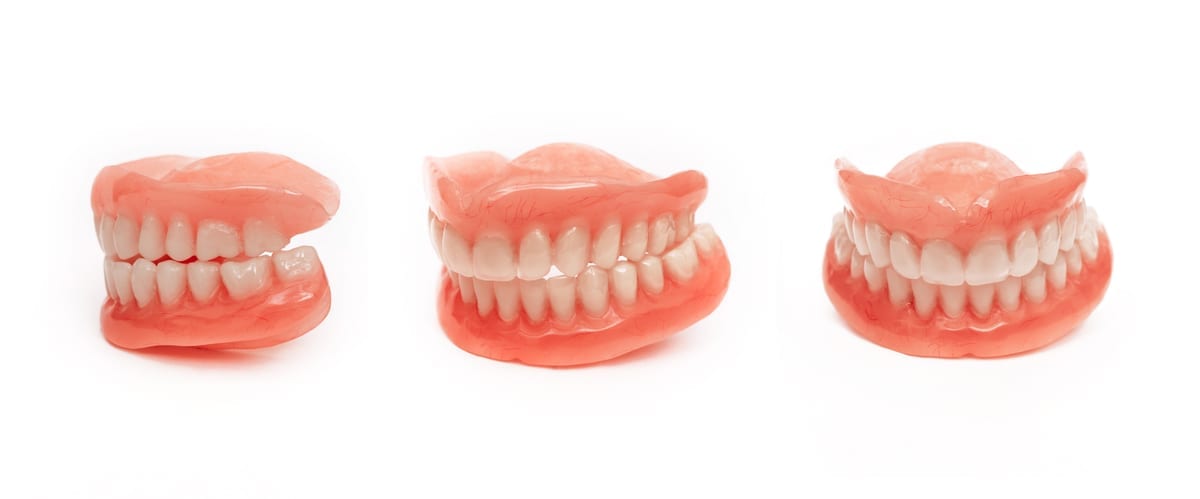
Dentures have helped millions of people regain function and confidence after tooth loss. They’re a well-established, non-surgical solution. For many Richmond patients, they offer an accessible and faster path to a full smile.
However, dentures sit on top of the gum tissue. They do not connect to the jawbone. This means they provide zero stimulation to the bone underneath. Bone resorption continues uninterrupted — even while you’re wearing your dentures every day.
Here’s what long-term denture wear often involves:
- Gradual bone shrinkage causing loose-fitting dentures over time
- The need for periodic denture relines or replacements
- Changes in facial appearance as the jaw shrinks
- Difficulty chewing certain foods due to shifting dentures
- Potential sore spots where dentures rub against shrinking gums
This doesn’t mean dentures are the wrong choice for everyone. They can work beautifully, especially for patients who aren’t candidates for surgery. But it’s important to understand the long-term trade-offs before deciding.
Dental Implants: The Only Option That Preserves Bone
Dental implants work differently from any other tooth replacement. A small titanium post is surgically placed directly into the jawbone. Over several months, the bone fuses around this post in a process called osseointegration. The implant literally becomes part of your jaw.
That fusion is what makes implants uniquely powerful. Every time you bite and chew, the implant transfers force into the bone — just like a natural tooth root. The bone receives the stimulation it needs to stay healthy and dense. Resorption slows dramatically or stops altogether.
Benefits of dental implants for long-term bone and facial health include:
- Preservation of natural jawbone density over time
- Stable, permanent fit — implants don’t shift or slip
- Normal chewing function with virtually any food
- A natural look that doesn’t change as your jaw ages
- Potential to last a lifetime with proper care
At Dr. C. Advance Dental Care, Dr. Chennupati places implants with precision and care. Richmond patients consistently report feeling confident and comfortable throughout the entire process.
Dentures vs. Implants: Cost, Function, and Long-Term Value in Richmond
Cost is one of the biggest factors Richmond patients weigh when comparing these two options. Dentures generally have a lower upfront cost than implants. That makes them appealing, especially when budget is a concern.
But consider the long-term picture carefully. Dentures often require adjustments, relines, and eventual replacement — sometimes every five to ten years. Those recurring costs add up over a lifetime. Implants carry a higher initial investment, but many patients find they pay less over decades of use.
Function is another major differentiator. Dentures can slip during eating or speaking. Many patients avoid hard, crunchy, or chewy foods to prevent embarrassing moments. Implants function like natural teeth — you eat what you want, speak naturally, and never worry about slippage.
Maintaining good oral health matters with both options. Regular Dental Cleanings Richmond appointments help protect your gums and remaining teeth — a critical step whether you choose dentures or implants. Healthy gums create the foundation for any tooth replacement to succeed. Sometimes, implants are also paired with Dental Crowns Richmond to restore individual teeth alongside a broader implant plan.
Who Is the Right Candidate for Each Option?
Not every patient qualifies for implants right away. Sufficient jawbone density is required to support the titanium post. If significant bone loss has already occurred, a bone grafting procedure may be needed before implant placement. Dr. Chennupati evaluates every Richmond patient individually to determine the best path forward.
Patients who may be better suited to dentures initially include:
- Those who need a fast, non-surgical solution
- Patients with significant existing bone loss who prefer to avoid grafting
- Individuals with certain systemic health conditions affecting healing
Many patients actually start with dentures and later transition to implant-supported options. This hybrid approach gives flexibility without sacrificing long-term bone health goals.
Implants are an excellent choice for patients who are in good general health, have adequate bone density, and want a permanent, low-maintenance solution. Dr. Chennupati will review your X-rays, discuss your medical history, and explain every option clearly.
Making the Right Choice for Your Smile and Your Future
There’s no single right answer for every patient. Dentures serve an important role in dentistry and improve countless lives every year. But when it comes to actually preserving your jawbone long-term, dental implants have a significant advantage that no other tooth replacement can match.
The best decision is an informed one. Understanding the bone loss risks of dentures — and the bone-preserving power of implants — helps you choose with confidence. Dr. Naveen Chennupati and the team at Dr. C. Advance Dental Care And Implant Center in Richmond are here to guide you every step of the way.
Your smile deserves a solution that works today and protects your health for decades. Book Now to schedule your appointment with our team.
Frequently Asked Questions
Do dentures stop bone loss in the jaw?
No. Traditional dentures sit on top of the gum and do not stimulate the jawbone. Because there is no pressure transmitted into the bone, resorption continues over time. This is one of the key differences when comparing dentures vs. implants for long-term jawbone preservation in Richmond.
How long do dental implants last compared to dentures?
Dental implants can last a lifetime with proper oral hygiene and regular dental visits. The crown on top may need replacement after 15–25 years, but the implant post itself often remains permanently. Dentures typically need adjustment or replacement every 5–10 years as the jaw changes shape.
Is the dental implant process painful?
Most patients report that the procedure is much more comfortable than they expected. Dr. Chennupati uses local anesthesia during placement, and any post-procedure soreness is typically manageable with over-the-counter pain relief. Many patients return to normal activities within a day or two.
Can I get implants if I’ve worn dentures for many years?
It depends on how much bone remains. Long-term denture wear often leads to significant jawbone loss. Dr. Chennupati will take detailed X-rays to assess your bone density. If needed, a bone graft can rebuild the jaw before implant placement.
How do I know which option is right for me in Richmond?
The best way to decide is through a comprehensive consultation. Dr. Naveen Chennupati evaluates your oral health, bone structure, and personal goals to recommend the most appropriate solution. Every patient’s situation is unique, and there is no one-size-fits-all answer.