We Take Medicaid/Medicare
Dental Implants Candidacy in Fort Lee, VA

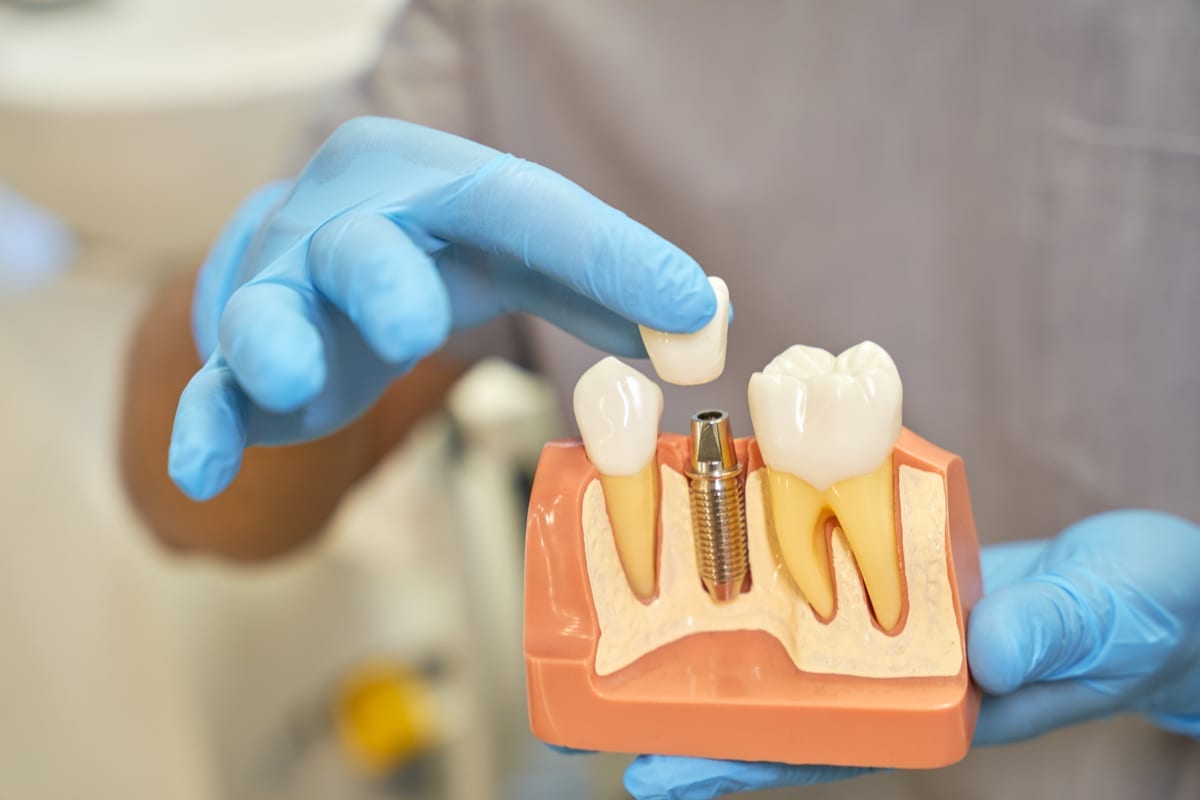
If you have a missing tooth, you have probably wondered about dental implants. Many Fort Lee patients ask us the same question: Am I actually a candidate for dental implants in Fort Lee? The honest answer is that most healthy adults qualify — but a few key factors do matter. Understanding those factors helps you walk into your consultation with confidence.
Dr. Naveen Chennupati at Dr. C. Advance Dental Care And Implant Center works with patients across the Richmond area, including Fort Lee. His goal is always to give you a clear, honest picture of your options. This article breaks down exactly what determines candidacy for dental implants.
What Makes Someone a Good Candidate for Dental Implants in Fort Lee?
Dental implants replace the root of a missing tooth with a small titanium post. That post fuses with your jawbone over time. This process is called osseointegration, and it is the foundation of a successful implant. For this to work, your body and bone need to be in reasonably good shape.
Most adults who are missing one or more teeth can qualify. The evaluation looks at several key areas. No single factor automatically disqualifies you. Instead, Dr. Chennupati reviews the full picture before making a recommendation.
Here are the core factors that determine candidacy:
- Sufficient jawbone density to support the implant post
- Healthy gums free from active periodontal disease
- Good overall health without uncontrolled systemic conditions
- Non-smoking status or willingness to quit before and after surgery
- Fully developed jaw — typically age 18 or older
- Commitment to good oral hygiene long-term
Does Age Affect Your Eligibility for Dental Implants?
Age is often one of the first concerns patients raise. The good news is that there is no upper age limit for dental implants. Seniors in their 70s and 80s successfully receive implants every day. As long as your health supports the procedure, age alone is not a barrier.
On the younger end, the jaw must be fully developed first. For most patients, this happens around age 17 or 18. Placing an implant before the jaw matures can cause misalignment later. Teenagers with missing teeth often use temporary options until they are ready.
Older adults sometimes worry about slower healing. Recovery may take slightly longer, but outcomes remain excellent. Dr. Chennupati tailors each treatment plan to the individual patient’s timeline and health profile.
What Role Does Bone Density Play — And What If Yours Is Low?
Bone density is one of the most important factors in dental implant candidacy. The implant post needs solid bone to anchor into. If the bone is too thin or has deteriorated, the implant may not integrate properly. This is the most common reason patients are initially told they may not qualify.
Bone loss happens naturally after a tooth is extracted. The longer a tooth has been missing, the more bone loss may have occurred. Conditions like osteoporosis can also reduce bone density over time. A 3D cone beam CT scan gives Dr. Chennupati a detailed look at your bone structure.
Here is the important part — low bone density does not automatically rule you out. A procedure called bone grafting can rebuild the area before implant placement. Many patients undergo bone grafting and later receive successful implants. It simply adds steps and time to the overall process.
- Bone grafts use donor material or synthetic material to stimulate new bone growth
- Healing after a bone graft typically takes three to six months
- Mini implants may be an option for patients with moderate bone loss
- Sinus lifts address bone loss in the upper jaw near the sinuses
How Do Health Conditions and Smoking Affect Candidacy?
Certain health conditions can affect how well your body heals after implant surgery. Uncontrolled diabetes is one example. High blood sugar slows healing and raises the risk of infection. Patients who bring their diabetes under control often become strong candidates.
Other conditions that require careful review include autoimmune disorders and certain blood-thinning medications. Cancer patients who have had radiation to the jaw area also need a thorough evaluation. Dr. Chennupati works closely with your primary care provider when needed. Transparency about your medical history leads to the safest, most successful outcomes.
Smoking is one of the biggest risk factors for implant failure. Tobacco reduces blood flow to the gums and slows osseointegration. Studies consistently show higher failure rates in smokers compared to non-smokers. Quitting before surgery — and staying smoke-free during healing — dramatically improves your odds of success.
The Role of Gum Health in Dental Implant Success
Healthy gums are essential for dental implants. Active gum disease, also called periodontitis, creates bacteria that attack the tissue around implants. This condition is called peri-implantitis, and it can cause implant failure over time. Before placing an implant, any gum disease must be treated and resolved.
Regular Dental Cleanings are a critical part of preparing for implants and maintaining them afterward. Keeping your gums healthy before and after surgery protects your investment. Dr. Chennupati will assess your gum health at your consultation and recommend any necessary treatment first.
Sometimes implants are paired with Dental Crowns to restore adjacent teeth at the same time. This comprehensive approach restores function and appearance together. Your care plan is always customized to your specific needs.
What to Expect at Your Implant Consultation in Fort Lee
Your first step is a thorough consultation with Dr. Chennupati. He will review your dental and medical history in detail. Digital X-rays and a 3D scan give a complete view of your bone and jaw structure. This information drives every recommendation he makes.
If you are not yet a candidate, he will explain exactly why. He will also outline the steps needed to help you become one. The goal is always to find a path forward — not simply to say no. Most patients leave their consultation with a clear and actionable plan.
Fort Lee patients appreciate the straightforward, patient-centered approach at Dr. C. Advance Dental Care And Implant Center. There is no pressure and no guesswork. Just honest answers and expert guidance tailored to your situation.
Conclusion: Find Out If Dental Implants Are Right for You
The question of whether you are actually a candidate for dental implants in Fort Lee deserves a real answer — not a generic one. Factors like bone density, gum health, age, smoking, and overall health all play a role. Many patients who believe they do not qualify actually can receive implants with the right preparation. The only way to know for certain is to get a professional evaluation from someone who takes the time to look at the full picture. Book Now to schedule your appointment with our team.
Frequently Asked Questions
Can I get dental implants if I have diabetes?
Yes, many patients with diabetes successfully receive dental implants. The key is having your blood sugar well-controlled before and during the healing process. Uncontrolled diabetes slows healing and raises infection risk. Dr. Chennupati will review your health history and coordinate with your physician as needed.
What happens if I do not have enough bone for an implant?
Low bone density does not automatically disqualify you. A bone grafting procedure can rebuild the area before implant placement. Healing after a bone graft takes several months, but the result is a stronger foundation for your implant. Dr. Chennupati will determine the best approach based on your 3D scan results.
Is there an age limit for dental implants?
There is no upper age limit for dental implants. Older adults in good health routinely receive implants with excellent outcomes. However, younger patients must wait until the jaw is fully developed, which usually happens around age 17 to 18. A consultation will confirm whether the timing is right for you.
How does smoking affect my chances of implant success?
Smoking significantly increases the risk of implant failure. Tobacco reduces blood flow to the gums and interferes with the fusion of the implant to the bone. Quitting before surgery and remaining smoke-free during the healing period greatly improves success rates. Dr. Chennupati will discuss this honestly during your consultation.
How long does the entire dental implant process take?
The timeline varies based on each patient’s needs. A straightforward single implant can be completed in three to six months. Patients who need bone grafting or other preparatory treatment will require additional time. Dr. Chennupati will give you a realistic timeline during your initial evaluation.