We Take Medicaid/Medicare
Dental Veneers in Richmond, VA

If you live in Sandston and have been researching smile makeovers, you have probably come across veneers. Understanding what dental veneers actually fix (and what they don’t) in Sandston is the first step toward making a confident decision. Veneers are one of the most popular cosmetic dental options available today. But they are not a one-size-fits-all solution for every smile concern.
At Dr. C. Advance Dental Care And Implant Center in Richmond, Dr. Naveen Chennupati helps patients understand exactly what veneers can do for them. This article breaks down the full picture — clearly and honestly.
What Are Dental Veneers, Exactly?
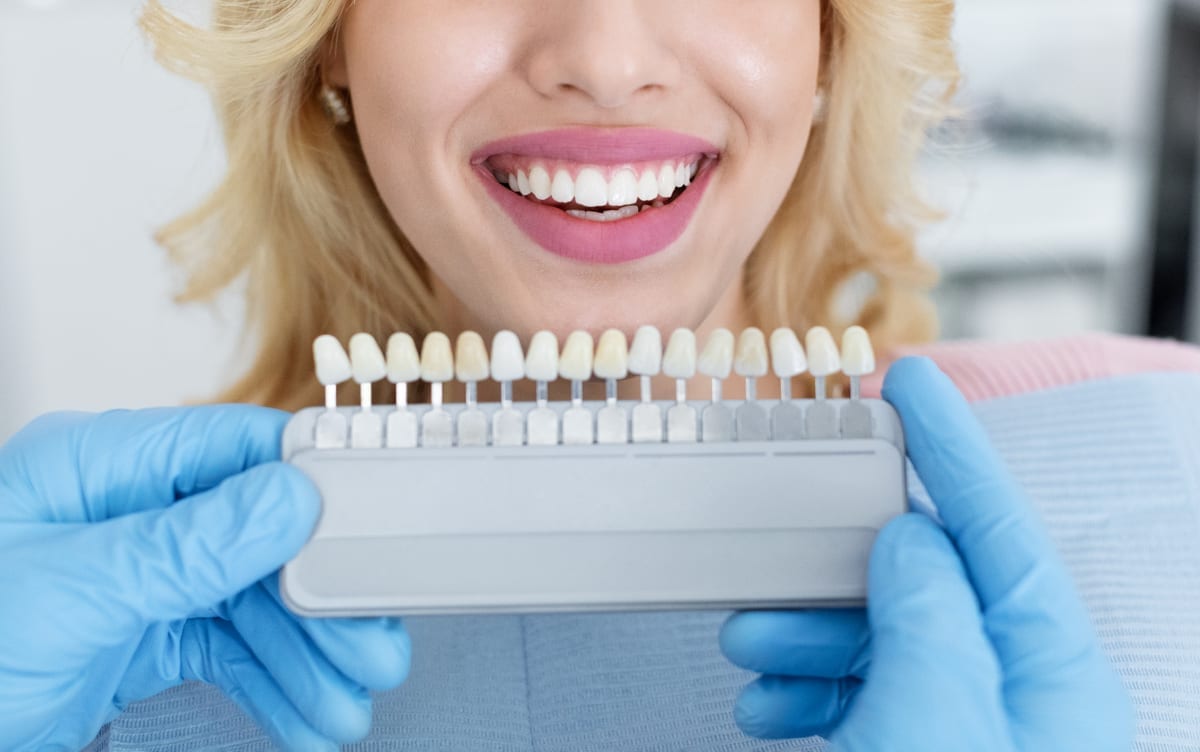
Dental veneers are thin, custom-made shells bonded to the front surface of your teeth. They are typically made from porcelain or composite resin material. Porcelain veneers are the most popular choice because they mimic the natural look of tooth enamel. They reflect light in a way that looks completely natural.
The process usually requires two to three visits to complete. During the first visit, a small amount of enamel is removed from the tooth surface. This creates space for the veneer to sit flush with your surrounding teeth. Impressions are then taken and sent to a dental lab for fabrication.
Once your custom veneers are ready, Dr. Chennupati bonds them permanently to your teeth. The result is a transformed smile that can last ten to fifteen years with proper care. Regular Dental Cleanings help preserve your veneers and keep your gums healthy long-term.
What Dental Veneers Actually Fix in Sandston
Veneers are incredibly versatile. They address a wide range of cosmetic and minor structural concerns. Here is a look at the most common problems veneers solve:
- Discoloration: Teeth stained by coffee, tea, tobacco, or certain medications respond well to veneers. Deep intrinsic stains that whitening cannot reach are effectively masked.
- Chips and cracks: Small chips or surface cracks on front teeth can be covered seamlessly with a veneer.
- Gaps between teeth: Minor spacing issues and small gaps can be closed without orthodontic treatment.
- Uneven or misshapen teeth: Teeth that appear too small, too short, or oddly shaped can be resized and reshaped.
- Worn enamel: Enamel worn down from grinding or acid erosion can be restored with a protective veneer layer.
- Mild crowding: Slight crowding or overlapping teeth can sometimes be corrected cosmetically using veneers.
Veneers work best on front teeth that are visible when you smile. They create a uniform, bright, and polished appearance across your smile line. Many patients achieve dramatic results in just a few appointments.
What Dental Veneers Cannot Fix
This is where honesty matters most. Not every dental problem is right for veneers. Understanding the limitations helps you choose the best treatment for your specific needs.
Veneers are a cosmetic solution. They do not treat underlying dental health issues. If you have untreated decay, gum disease, or infection, those must be addressed first. Placing veneers over unhealthy teeth can lead to failure and further damage.
Here are situations where veneers are not the right answer:
- Severe tooth decay: Teeth with significant decay need restorative treatment, not cosmetic coverage. A Dental Crowns may be a better option for structurally compromised teeth.
- Major alignment issues: Significant crowding, bite problems, or jaw misalignment require orthodontic treatment like Invisalign.
- Severe tooth damage: A badly broken or weakened tooth needs a crown for full structural support.
- Teeth grinding (bruxism): Untreated grinding can crack or pop off veneers quickly. This habit must be managed first.
- Insufficient tooth enamel: Veneers require a healthy layer of enamel to bond to. Severely eroded teeth may not qualify.
Dr. Chennupati takes a thorough approach before recommending veneers. Your overall oral health is always evaluated first. The goal is to give you a result that lasts — not just one that looks good temporarily.
Veneers vs. Other Cosmetic Options: How to Know Which Is Right for You
Veneers are one of several cosmetic options available at our Richmond practice. Teeth whitening is a great non-invasive choice for surface stains. It works well when your teeth are healthy and structurally sound. However, whitening does not change tooth shape or fix chips.
Invisalign is the better solution for alignment concerns. It moves teeth into proper position over time. Veneers can mimic straighter teeth cosmetically, but they do not shift actual tooth roots or correct your bite.
For teeth that are structurally damaged, dental crowns offer full coverage and protection. A crown encases the entire tooth, while a veneer only covers the front surface. Dr. Chennupati will help you compare options based on your smile goals and dental health status.
The right treatment depends on your unique situation. A consultation at our office gives you a clear, personalized recommendation. You will never be pushed toward a treatment that does not fit your needs.
The Veneer Process: What to Expect at Our Richmond Practice
Patients from Sandston and surrounding communities visit Dr. C. Advance Dental Care And Implant Center for veneer consultations regularly. The process is straightforward and comfortable. Here is what a typical veneer journey looks like:
- Consultation: Dr. Chennupati reviews your dental health, discusses your goals, and determines if veneers are appropriate.
- Tooth preparation: A thin layer of enamel is gently removed. Local anesthesia keeps you comfortable throughout.
- Impressions: Digital or traditional impressions are taken and sent to a professional dental lab.
- Temporary veneers: You wear temporary shells while your custom veneers are being crafted.
- Bonding appointment: Your permanent veneers are checked for fit and color, then bonded securely to your teeth.
The entire process typically takes two to three weeks from start to finish. Results are immediate and noticeable. Most patients describe the experience as life-changing for their confidence.
Are Veneers a Good Investment for Sandston Patients?
Veneers are a long-term investment in your smile and confidence. With proper care, porcelain veneers can last ten to fifteen years or longer. Brushing twice daily and flossing regularly are essential habits. Avoiding hard foods and wearing a night guard if you grind your teeth will extend veneer life significantly.
Many Sandston residents find that veneers eliminate years of self-consciousness about their smile. A brighter, more even smile often impacts professional and social confidence. Dr. Chennupati believes everyone deserves to feel proud of their teeth.
Ready to find out if veneers are right for you? Book Now to schedule your appointment with our team.
Frequently Asked Questions
How long do dental veneers last?
Porcelain veneers typically last ten to fifteen years with proper care. Composite veneers may last five to seven years. Good oral hygiene and regular dental visits help extend the lifespan of your veneers significantly.
Do veneers damage your natural teeth?
A small amount of enamel is removed during the preparation process. This is permanent and irreversible. However, the enamel removed is minimal, and the veneer protects the tooth surface afterward. Dr. Chennupati uses a conservative approach to preserve as much natural tooth structure as possible.
Can veneers fix crooked teeth?
Veneers can create the appearance of straighter teeth for mild cosmetic cases. However, they do not physically move teeth or correct bite alignment. For significant crowding or bite issues, orthodontic treatment like Invisalign is the appropriate solution.
Are veneers painful to get?
Most patients experience little to no discomfort during the veneer process. Local anesthesia is used during tooth preparation. Some patients notice mild sensitivity after the procedure, but this typically fades within a few days.
What is the difference between veneers and crowns?
Veneers cover only the front surface of a tooth and are primarily cosmetic. Crowns encase the entire tooth and provide full structural support. Crowns are recommended when a tooth is significantly damaged or weakened. Veneers are best for teeth that are healthy but cosmetically imperfect.