We Take Medicaid/Medicare


Your Dental Crown Appointment: What to Expect Step by Step

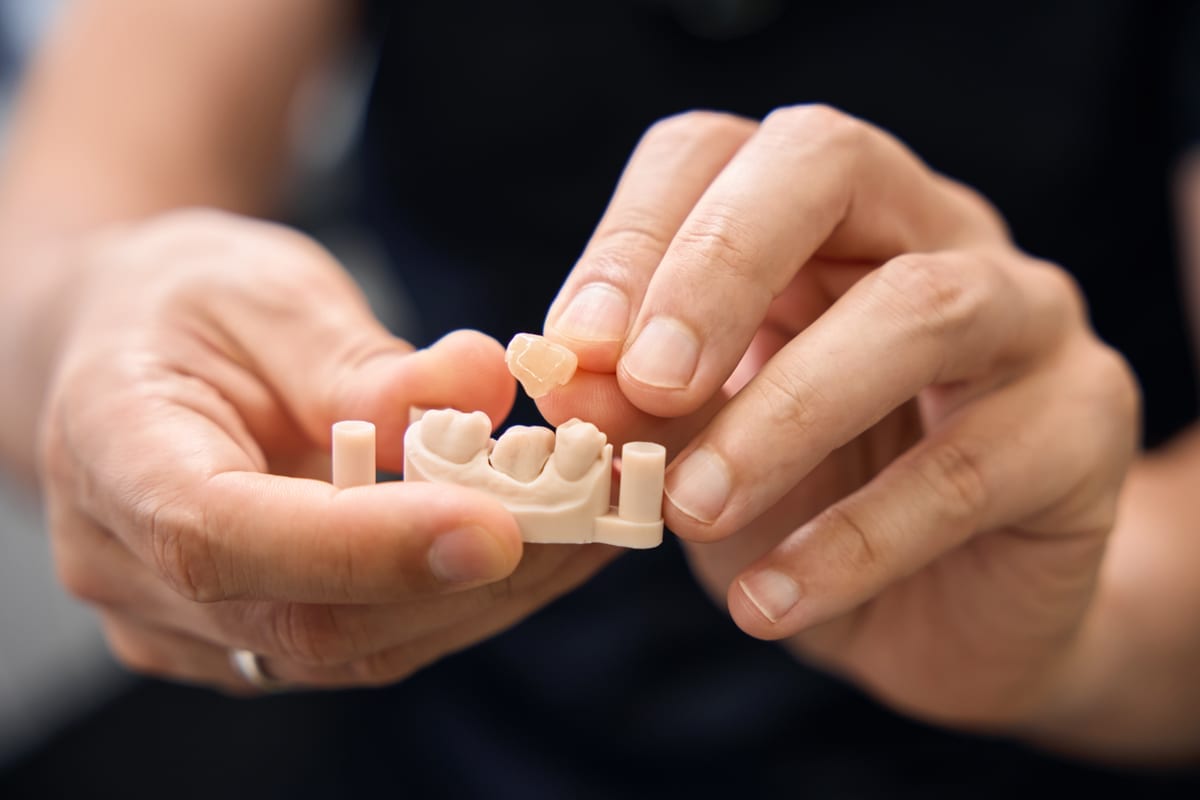
Understanding your dental crown appointment step by step in Richmond can make the entire experience far less stressful. Many patients feel anxious simply because they don’t know what’s coming next. Dr. Naveen Chennupati at Dr. C. Advance Dental Care And Implant Center wants you to feel informed and confident. When you know what to expect, the process feels manageable — even routine.
Dental crowns are one of the most common restorative procedures in general dentistry. They protect damaged, cracked, or weakened teeth. They also improve the appearance of teeth that are discolored or misshapen. Most patients are surprised by how straightforward the process really is.
Why You Might Need a Dental Crown in Richmond
Before walking through the procedure, it helps to understand why crowns are recommended. A crown is a tooth-shaped cap that fits over your existing tooth. It restores the tooth’s shape, strength, and function. Dr. Chennupati may recommend a crown after a root canal, a large filling, or significant tooth damage.
Crowns are also used to anchor dental bridges or cover a dental implant. If you’ve recently had a cracked or severely decayed tooth, a crown is often the best long-term solution. Porcelain and zirconia crowns are popular because they closely match natural tooth color. Your specific material recommendation depends on the location and function of the tooth.
Some patients also need crowns after years of grinding or wear. Whatever your reason, the procedure itself follows the same reliable steps. Knowing those steps ahead of time puts you in control of your experience. That’s exactly what this guide is here to do.
Step-by-Step: What Happens at Your First Crown Appointment
Most crown procedures require two appointments. The first visit focuses on preparing the tooth and placing a temporary crown. Here is what you can expect during that first visit at our Richmond office:
- Examination and X-rays: Dr. Chennupati reviews the tooth and surrounding bone structure.
- Local anesthesia: The area is numbed thoroughly before any work begins.
- Tooth preparation: The tooth is gently reshaped to create space for the crown.
- Impressions: A mold or digital scan captures the exact shape of your tooth.
- Temporary crown placement: A protective temporary crown is placed while your permanent one is crafted.
The numbing process is usually the part patients worry about most. In reality, you’ll feel slight pressure at the injection site — rarely more than that. The anesthetic takes effect quickly. Within a few minutes, the area is completely numb.
Tooth preparation involves removing a thin layer of enamel. This creates a secure fit for the final crown. Dr. Chennupati is precise and conservative during this step. The goal is to remove only what’s necessary.
Digital impressions are now common and far more comfortable than older putty molds. The scan takes just a few minutes. It sends highly accurate data directly to the dental lab. Your temporary crown is then shaped and cemented in place.
Living With Your Temporary Crown in Richmond
Your temporary crown protects the prepared tooth while the lab creates your permanent restoration. It typically stays in place for one to two weeks. During this time, a few simple precautions will keep it secure.
- Avoid sticky or chewy foods like caramel or gum.
- Chew on the opposite side of your mouth when possible.
- Brush gently around the crown area.
- Floss carefully — slide the floss out rather than pulling upward.
Some mild sensitivity is completely normal after preparation. Cold foods or beverages may cause brief discomfort. Over-the-counter pain relievers typically manage this well. If sensitivity becomes severe or the temporary comes loose, call our office promptly.
Maintaining good oral hygiene during this waiting period matters. Keeping the area clean prevents bacteria from affecting the prepared tooth. Routine Dental Cleanings Richmond patients receive at our office help maintain overall gum health around new restorations. Healthy gums support a better final outcome.
Your Second Appointment: Final Crown Placement
The second appointment is usually shorter and more straightforward than the first. Your permanent crown has arrived from the lab and is ready to be placed. This visit typically takes 30 to 60 minutes from start to finish. Here’s what happens during final seating:
Dr. Chennupati first removes your temporary crown carefully. The prepared tooth is cleaned and checked. The permanent crown is then tried in for fit, color, and bite alignment. Adjustments are made if anything feels off before cementing.
Once the fit is confirmed, the crown is bonded permanently with dental cement. Your bite is checked again to ensure everything feels natural. Dr. Chennupati will ask you to bite down gently on special paper. This identifies any high spots that need minor adjustment.
The result is a crown that looks, feels, and functions like a natural tooth. Most patients leave the second appointment feeling immediate relief and renewed confidence. The restored tooth is now protected for years to come. With proper care, a well-placed crown can last 10 to 15 years or longer.
Caring for Your Permanent Crown After Your Richmond Appointment
Long-term crown success depends largely on how well you care for it at home. A crowned tooth still needs daily brushing and flossing. The crown itself cannot decay, but the tooth underneath can still be affected. The gum line around the crown is especially important to keep clean.
Avoid using your crowned tooth to bite hard objects like ice or pen caps. Grinding your teeth at night can shorten crown lifespan significantly. If you grind, ask Dr. Chennupati about a custom nightguard. Protecting your investment makes a big difference over time.
Schedule regular checkups and cleanings to keep everything in great shape. If you’re exploring other restorative options, Dental Implants Richmond patients choose at our practice offer another long-lasting solution for missing teeth. Dr. Chennupati will discuss all options that suit your unique needs. Our goal is always your healthiest smile for the long term.
Conclusion: You’re More Ready Than You Think
Your dental crown appointment step by step in Richmond follows a clear, predictable path. From the first numbing injection to the final placement of your permanent crown, every stage has a purpose. Dr. Naveen Chennupati and the team at Dr. C. Advance Dental Care And Implant Center guide you through each step with care and communication. There’s nothing unexpected waiting for you — just a trusted process designed to protect your smile.
Anxiety fades when information takes its place. You now know what happens at every stage, what to expect between visits, and how to care for your crown afterward. That knowledge is powerful. Book Now to schedule your appointment with our team.
Frequently Asked Questions
How long does a dental crown appointment take in Richmond?
The first appointment typically takes 60 to 90 minutes. This includes examination, tooth preparation, impressions, and temporary crown placement. The second appointment is usually 30 to 60 minutes. Total time varies depending on the complexity of the case.
Does getting a dental crown hurt?
Most patients feel little to no pain during the procedure. Local anesthesia numbs the area completely before preparation begins. You may feel mild pressure, but not sharp pain. Some sensitivity after the appointment is normal and usually fades within a few days.
How long does a dental crown last?
A well-placed crown typically lasts 10 to 15 years or more. Longevity depends on the material used, your bite habits, and how well you care for the crown. Regular cleanings and checkups help extend its lifespan significantly. Avoiding hard foods and teeth grinding also protects the crown.
Can I eat normally with a temporary crown?
You can eat most soft foods with a temporary crown in place. Avoid sticky, chewy, or very hard foods during this period. Try to chew on the opposite side of your mouth when possible. The temporary crown is designed to protect the tooth, but it is not as strong as the permanent one.
What is the difference between a crown and a dental implant?
A crown restores and protects an existing natural tooth. A dental implant replaces a tooth that has been fully lost. Sometimes a crown is placed on top of an implant to complete the restoration. Dr. Chennupati will recommend the right solution based on the condition of your specific tooth and overall oral health.